Deep Plane Facelift
Restore, not tighten.
A surgical rejuvenation that repositions the deeper muscle and fat layers of the face — producing a result that looks like you, only rested. Performed by a triple board-certified plastic surgeon with approximately 1,000 facelift and neck lift procedures to his name.
- ~1,000 Facelifts & neck lifts
- 28+ Years in practice
- 10–15 yrs Results typically last
You Have Not Simply Aged.
Something Has Moved.
The deeper structures of your face — the muscle, the fat pads, the tissue that once held everything in place — have shifted. That is why fillers feel temporary, why skin-tightening treatments stop working, and why the reflection in the mirror no longer matches how you feel inside.
A deep plane facelift addresses what other procedures cannot: the structural change beneath the surface. At Niagara Plastic Surgery Centre, Dr. N. S. Huq repositions these deeper layers rather than pulling skin, producing results that look natural and last 10 to 15 years.
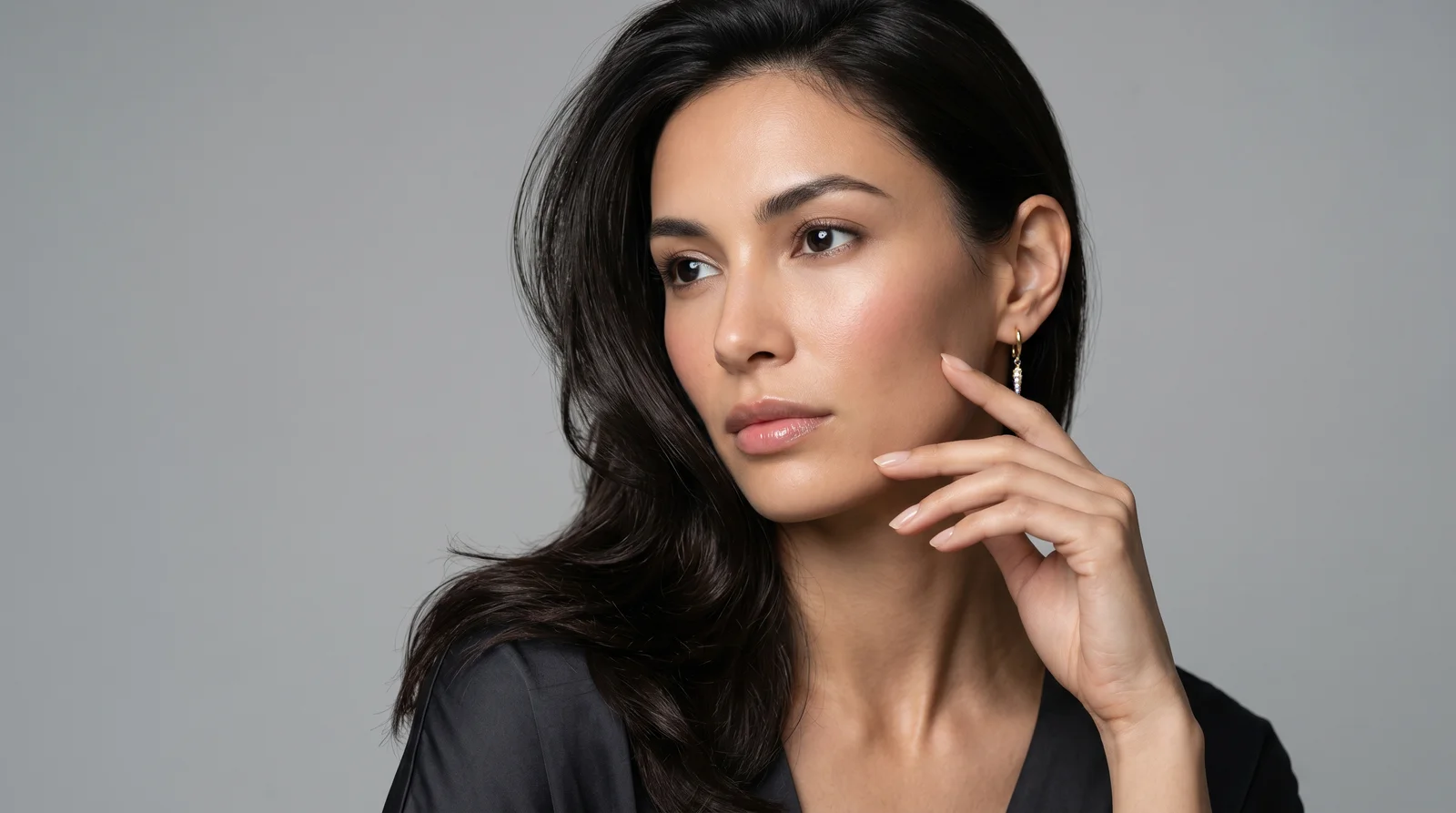
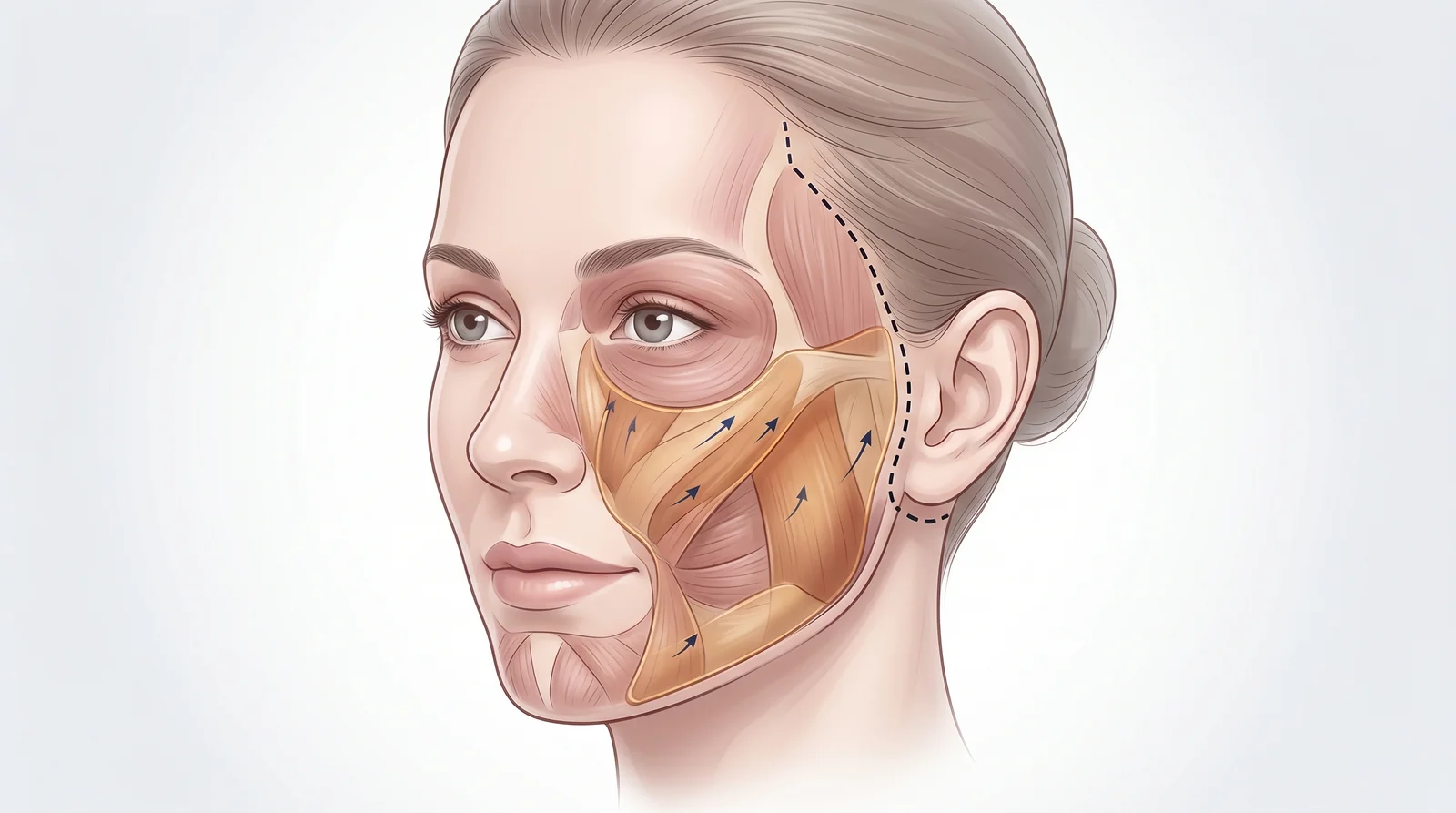
A traditional facelift tightens the skin and depends on tension. A deep plane facelift releases the SMAS — the muscle and connective tissue beneath the skin — and repositions the entire composite layer as one unit.
Because the skin is never placed under tension, the result is a restored appearance rather than a tightened one. This is the architectural difference patients feel, see, and keep for a decade or more.
What a Deep Plane
Facelift Actually Does.
The Superficial Musculoaponeurotic System — the SMAS — is the layer of muscle and connective tissue beneath the skin that descends with age, pulling the overlying skin with it and creating jowls, deep nasolabial folds, and midface hollowing.
In a deep plane facelift, Dr. Huq releases the SMAS from its deeper attachments — including the ligaments that tether it to the bone — and repositions the entire composite layer as a single unit. The skin moves with the deeper tissue rather than being pulled separately.
This approach preserves the blood supply to the overlying skin, reduces complication risk, and supports a more predictable healing process. It is why results from a deep plane facelift typically last 10 to 15 years, compared to 3 to 7 years for traditional skin-tightening facelifts.
An Option Very Few
Surgeons Can Offer: Local Anesthesia.
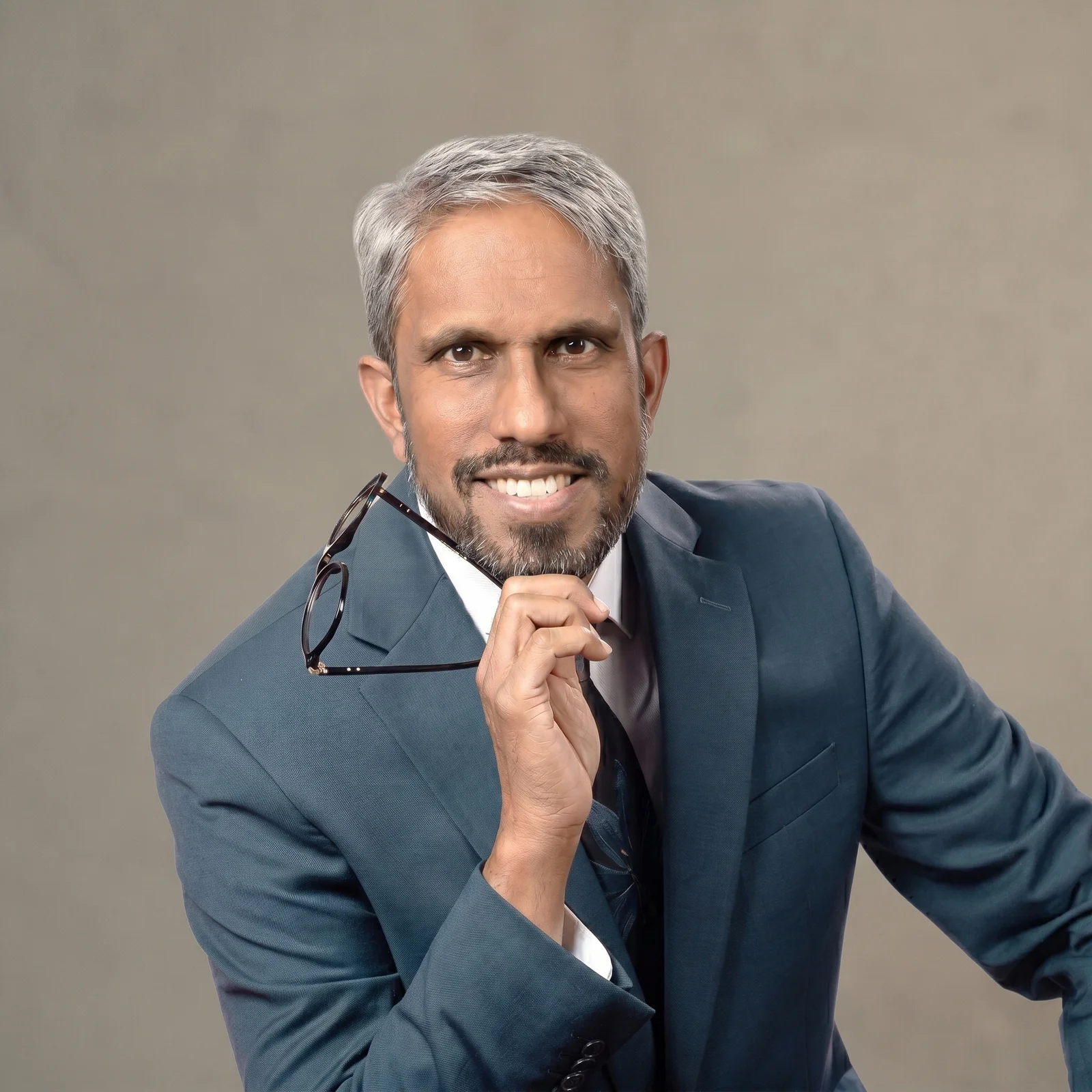
Most deep plane facelifts are performed under general anesthesia. Dr. Huq is one of the few surgeons in Canada who routinely offers the procedure under local anesthesia or TIVA (twilight sedation). This is not a workaround — he is the Guest Editor of an Elsevier textbook on local anesthesia in plastic surgery. Local anesthesia eliminates the risks of general (no breathing tube, no ventilator, fewer systemic complications) and typically produces a faster, more comfortable recovery. General anesthesia is available for patients who prefer it — always supported by Canadian board-certified FRCPC physician anesthesiologists.
The Concerns the Mid and Lower Face Commonly Bring.
Jowling
Heaviness and sagging along the jawline — the most common reason patients begin their research.
Deep Nasolabial Folds
The lines running from the nose to the corners of the mouth that fillers can no longer smooth adequately.
Midface Descent
Loss of volume and definition in the cheek area — structure that has moved, not disappeared.
Marionette Lines
The lines running from the corners of the mouth toward the chin, caused by descent of the lower face.
Jawline Definition
The clean line between the jaw and neck — one of the signatures of a rested appearance.
Overall Facial Laxity
The general impression of heaviness and descent that makes fillers feel like they are no longer enough.
The Numbers Tell a Story
Credentials Alone Cannot.
Volume matters in surgery. Across 28 years of practice, Dr. Huq has performed approximately 1,000 facelift and neck lift procedures, alongside more than 1,000 eyelid surgeries and hundreds of brow lifts. His total surgical volume exceeds 50,000 operations across all categories.
That depth of experience translates to refined surgical judgement — the ability to read each patient’s anatomy, anticipate how tissues will behave, and adjust the surgical plan in real time. No two faces are the same, and no two deep plane facelifts should be either.
To Look Like
Yourself Again — only rested.
The goal of a deep plane facelift is not to make you look different. It is to make you look like yourself — rested, refreshed, and restored.
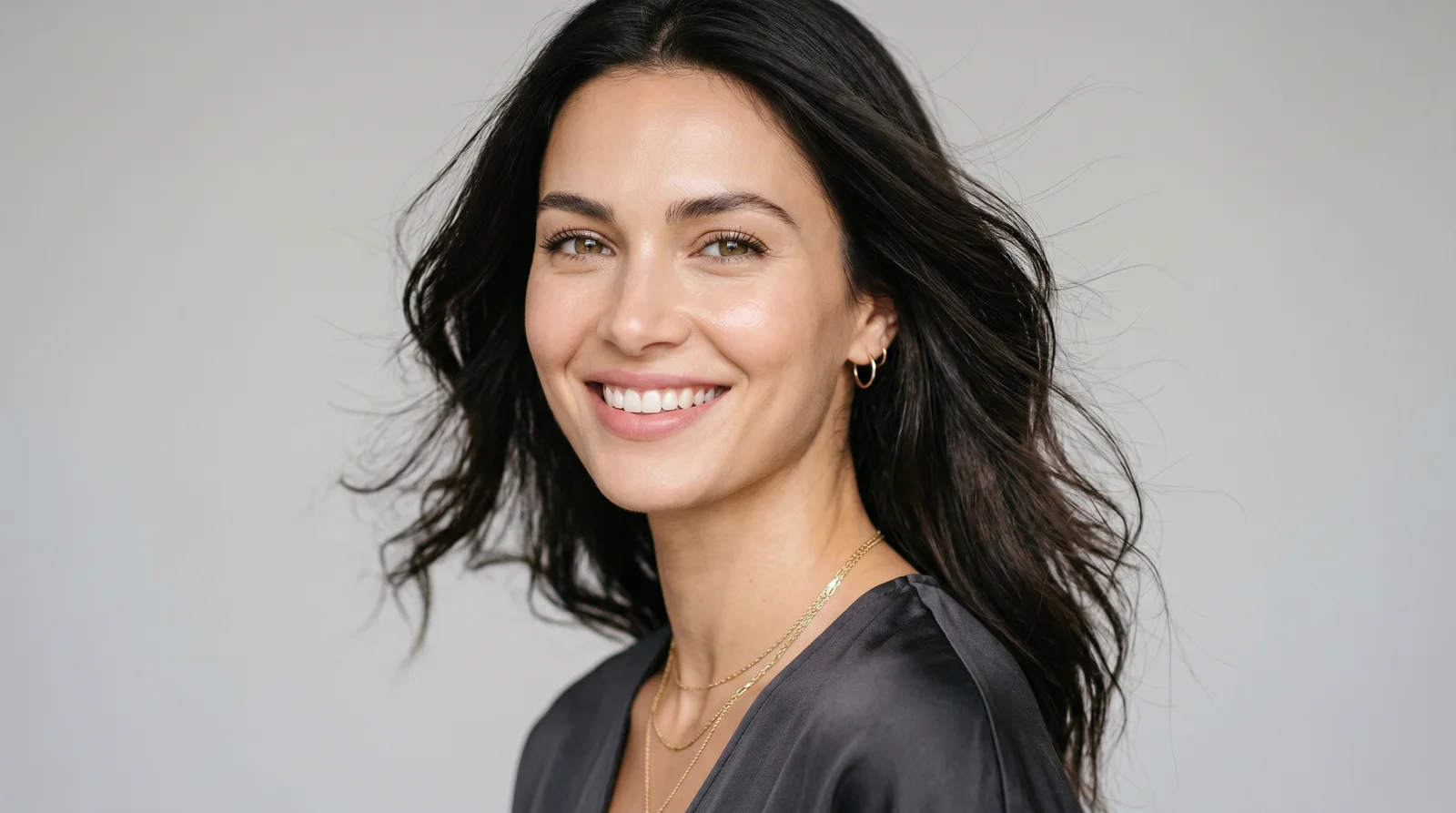
Because the deeper structures are repositioned rather than pulled, patients typically achieve results that others notice but cannot pinpoint. The compliments shift from “you look great” to “did you change your hair?” — because the improvement reads as natural rather than surgical.
Results typically last 10 to 15 years. While aging continues, you will always look younger than you would have without the procedure.
Results That Read as
Natural — Not Surgical.
The results look incredibly natural — refreshed, firmer, and more youthful without looking tight or overdone. Exactly what I was hoping for.
Dr. Huq is not only a skilled professional surgeon, he is also a kind and compassionate human being. His exceptional team made all the difference.
He took his time explaining the procedures, not rushing, treating me almost as his family. And he’s got a great sense of humor — that really helped me to relax before the surgeries.
Dr. Huq is an artist!
Starting at
$20,000.
The base quote covers surgeon, facility, anesthesia, and all follow-ups. Adjuvant procedures performed alongside your facelift — such as fat grafting, liposuction, lip lift, and buccal fat removal — carry an additional charge for each. Comparable GTA quotes typically range from $50,000 to $100,000.
Two Weeks for Most.
Four to Six Before an Occasion.
Most patients take approximately two weeks off from work and social activities. In the first week, swelling and bruising are expected and progressively diminish. Most patients feel comfortable being seen in public by the end of week two.
Dr. Huq recommends scheduling your procedure three to four months before any significant event, to allow for the full settling of tissues and refinement of your final result. The majority of swelling resolves within the first month.
Dr. Huq's local anesthesia expertise contributes to a smoother recovery profile for many patients — no nausea, grogginess, or systemic effects of general anesthesia. Vikki and Paulina, our Patient Care Coordinators, are available by email even after office hours.

How long does a deep plane facelift last?
Results typically last 10 to 15 years. While the aging process continues, you will always look younger than you would have without the procedure. Traditional skin-tightening facelifts, by comparison, typically last 3 to 7 years because they do not reposition the underlying SMAS.
Is a deep plane facelift performed under general anesthesia?
At Niagara Plastic Surgery Centre, many deep plane facelifts are performed under local anesthesia or TIVA (twilight sedation). Dr. Huq is a published authority on local anesthesia — Guest Editor of an Elsevier textbook on the subject. General anesthesia is also available for patients who prefer it, and is always supported by Canadian board-certified FRCPC physician anesthesiologists — never nurse anesthetists.
What is the difference between a deep plane facelift and a traditional facelift?
A traditional facelift primarily tightens the skin and depends on tension to produce the result. A deep plane facelift repositions the deeper muscle and fat layers (the SMAS) as a single composite unit, with the skin moving with the deeper tissue rather than being pulled separately. The result is more natural-looking and lasts significantly longer.
How much does a deep plane facelift cost at NPSC?
Deep plane facelifts at NPSC start at $20,000. This base quote is all-inclusive — surgeon's fee, accredited facility fee, anesthesia, and all follow-up appointments. Adjuvant procedures performed alongside your facelift — such as fat grafting, liposuction, lip lift, and buccal fat removal — carry an additional charge for each. Comparable GTA quotes typically range from $50,000 to $100,000.
Am I a candidate?
The ideal candidate is a non-smoker in good general health experiencing moderate to significant facial aging that non-surgical treatments can no longer adequately address. Most patients are between 45 and 70, though candidacy is determined by anatomy and health rather than age. If your concerns are milder, Dr. Huq may recommend the Optimum LIFT (mini facelift) — of which he is the only provider in Ontario.
What about revision facelifts?
Approximately 10% of Dr. Huq's cases are revisions of other surgeons' work. If you have had a previous facelift and are unhappy with the results — due to asymmetry, unnatural tightness, visible scarring, or premature aging — Dr. Huq has the experience to evaluate your situation and discuss revision options.
If You Have Read This Far,
You're the Patient Dr. Huq Serves Best.
Your consultation begins with our Patient Care Coordinator, who will listen to your goals, answer your questions, and review your medical history. You will then sit down one-on-one with Dr. Huq, who will assess your facial anatomy, discuss what a deep plane facelift can realistically achieve for you, and create a personalized surgical plan.