Tummy Tuck
(Abdominoplasty) — Niagara Falls
When diet and exercise are not enough. Five variations of the procedure, each tailored to the specific structural issues — excess skin, separated muscle, stretch marks, and stubborn fat — of the patient in front of Dr. Huq.
- 5 Procedure variations
- $14K–$20K All-inclusive quote
- Available Local anesthesia
Some Things Cannot Be
Solved in the Gym.
Excess skin that hangs over the waistband. Separated abdominal muscles that create a persistent bulge no matter how many crunches you do. Stretch marks below the navel that no cream will fade.
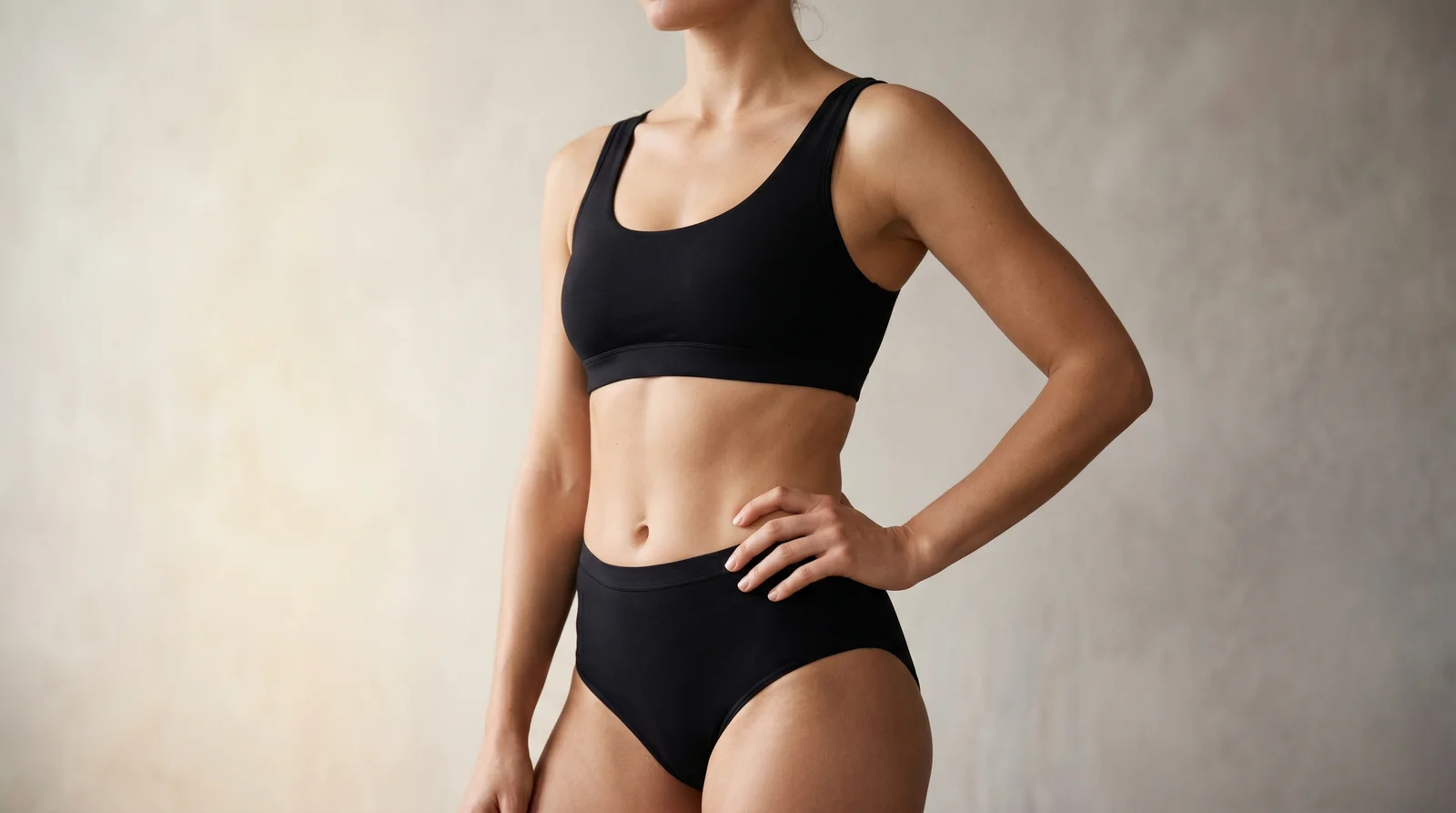
These are structural problems. They require a structural solution. A tummy tuck removes excess skin, repairs separated muscles, and creates a flatter, firmer abdominal contour. Dr. Huq offers five variations of the procedure, selecting the approach that matches your specific anatomy and goals.
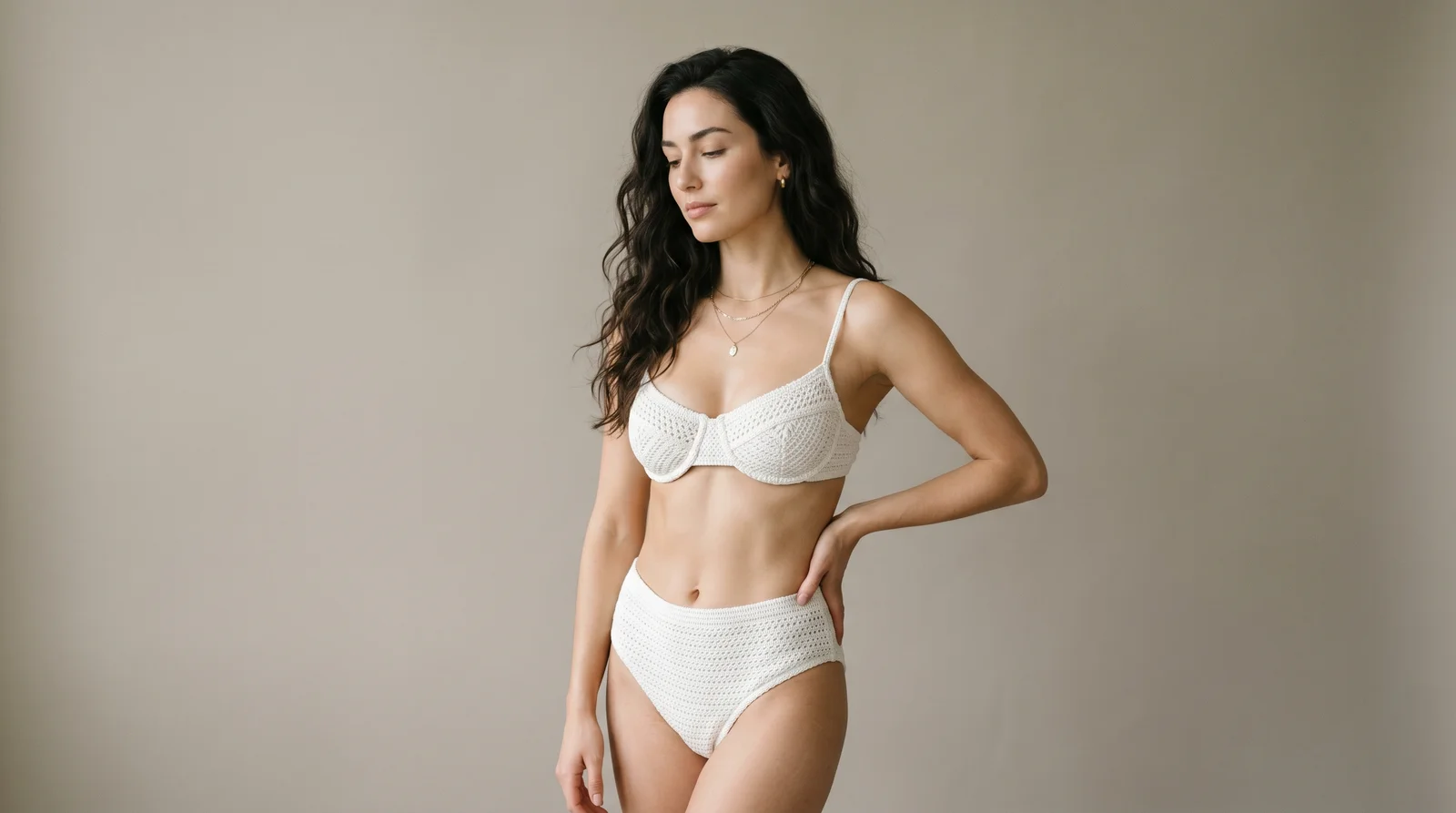
You have done the work. You have maintained your weight, stayed active, been patient with your body through pregnancy or after bariatric surgery. The loose skin and the muscle separation that remain are not a failure of discipline — they are anatomy that has been stretched beyond its ability to return.
A tummy tuck is not a shortcut. It is the finishing step for the work you have already done.
Four Structural Concerns — One Operation.
Excess Skin
Loose, hanging skin on the abdomen — common after pregnancy, significant weight loss, or aging — that does not respond to exercise.
Diastasis Recti
Separation of the rectus abdominis muscles along the midline. Extremely common after pregnancy. Creates a bulge that looks like belly fat but is actually a structural gap in the muscle wall that cannot be closed with exercise.
Stretch Marks
Stretch marks located below the navel are removed along with the excised skin. Stretch marks above the navel are repositioned lower but remain.
Stubborn Fat Deposits
When combined with liposuction, a tummy tuck can address both skin laxity and localized fat for a comprehensive result.
One Procedure, Matched
to Your Anatomy.
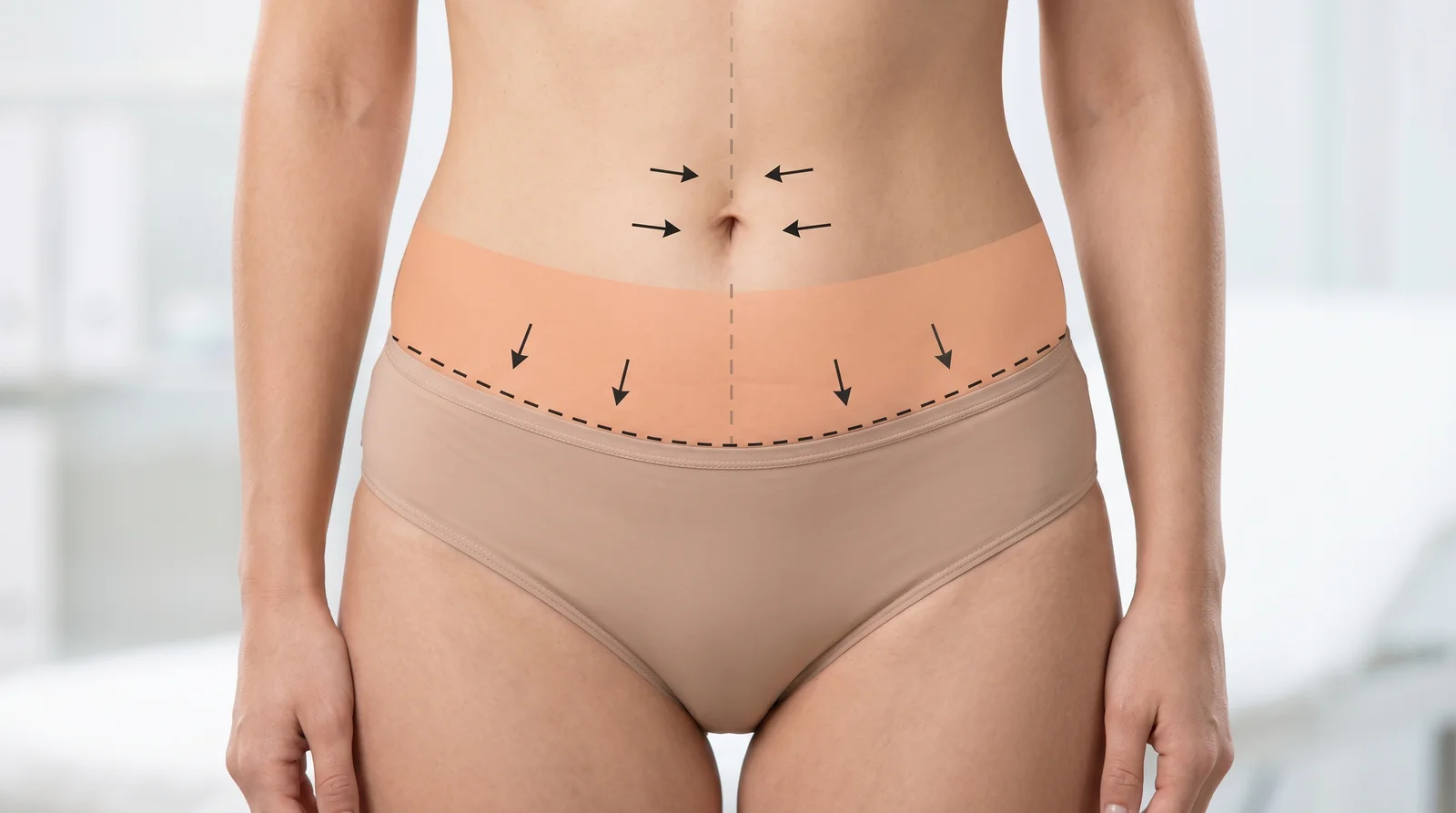
Standard Abdominoplasty — the most comprehensive option. A hip-to-hip incision placed low on the abdomen (hidden within the bikini line). Skin is elevated, abdominal muscles are repaired, excess skin is removed, and the navel is repositioned. Addresses the full abdomen from the pubic area to the ribcage.
Mini Tummy Tuck — a shorter incision and less extensive dissection, suitable for patients with mild excess skin and minimal muscle separation limited to the lower abdomen.
Drainless Tummy Tuck — a standard abdominoplasty performed using progressive tension suturing technique that eliminates the need for surgical drains. Reduces post-operative discomfort and simplifies recovery.
Extended Tummy Tuck — the incision extends further around the hips to address excess skin on the flanks in addition to the abdomen.
Fleur-de-Lis Abdominoplasty — adds a vertical incision in the midline in addition to the horizontal incision, allowing skin removal in two directions. Most common after massive weight loss.
All variations price within the $14,000–$20,000 all-inclusive range. Dr. Huq will quote your specific plan after assessing your anatomy during the consultation.
A Published Poster on
Abdominoplasty Without General.
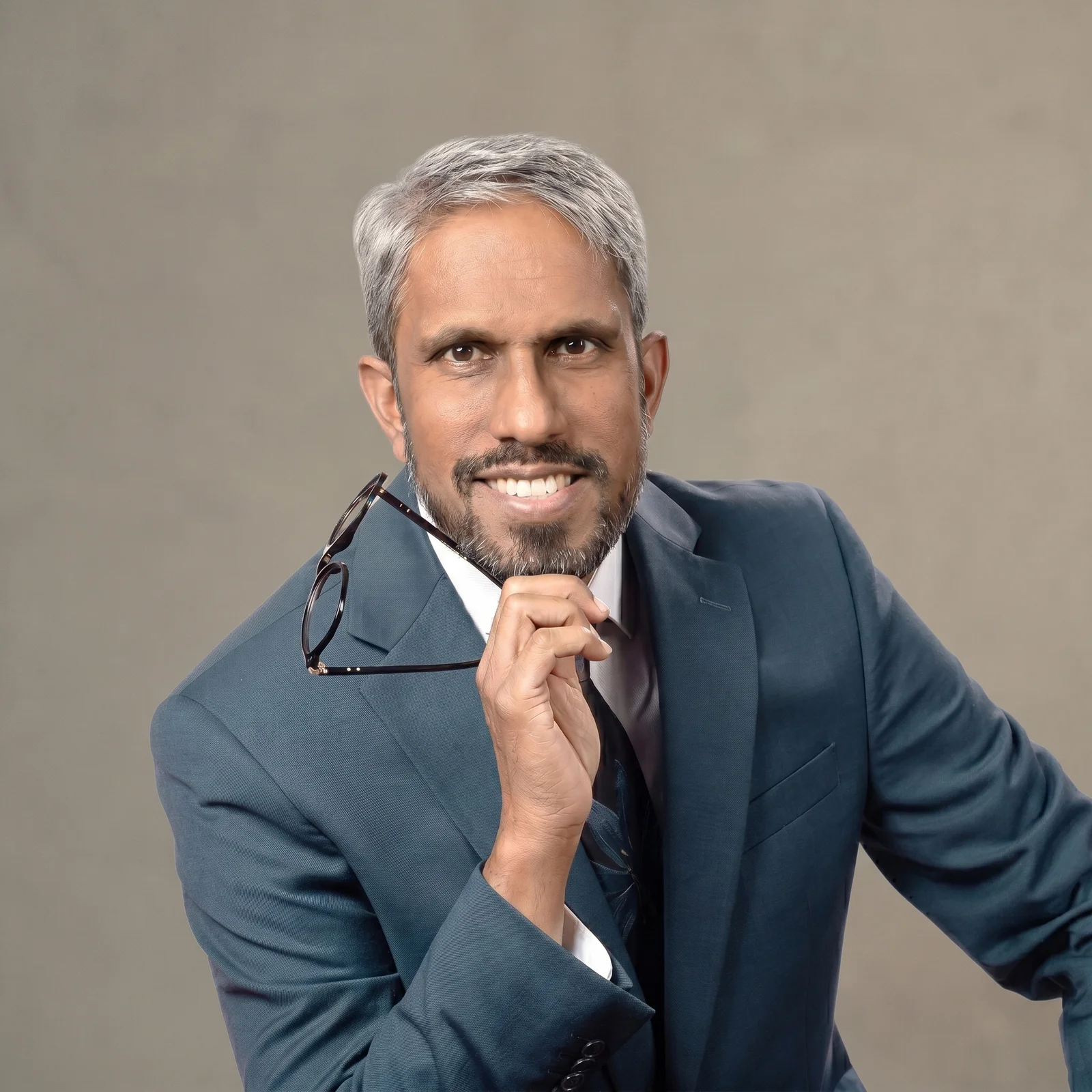
Dr. Huq has published research on the safety of abdominoplasty without general anesthesia — a 2024 poster presentation at the Canadian Society of Plastic Surgeons titled “Investigation of the Safety and Outcome of Abdominoplasty Without General Anesthesia: A Scoping Review.” When appropriate for the patient and the scope of the procedure, Dr. Huq performs tummy tucks under local anesthesia with sedation — reducing the risks associated with general anesthesia, shortening recovery, and lowering the overall procedure cost. Not all patients are candidates for local anesthesia tummy tuck — Dr. Huq will determine the most appropriate anesthesia approach during your consultation.
Skin and Muscle.
Fat. One Session.
A tummy tuck addresses skin and muscle. Liposuction addresses fat. When both concerns are present — which is common — the two procedures are performed together in a single session.
Liposuction is commonly added to the flanks, hips, or lower back to create a smooth transition between the newly contoured abdomen and the surrounding areas. This combination is also a core component of the mommy makeover.
A Surgeon-Led Practice
Built to Protect You.
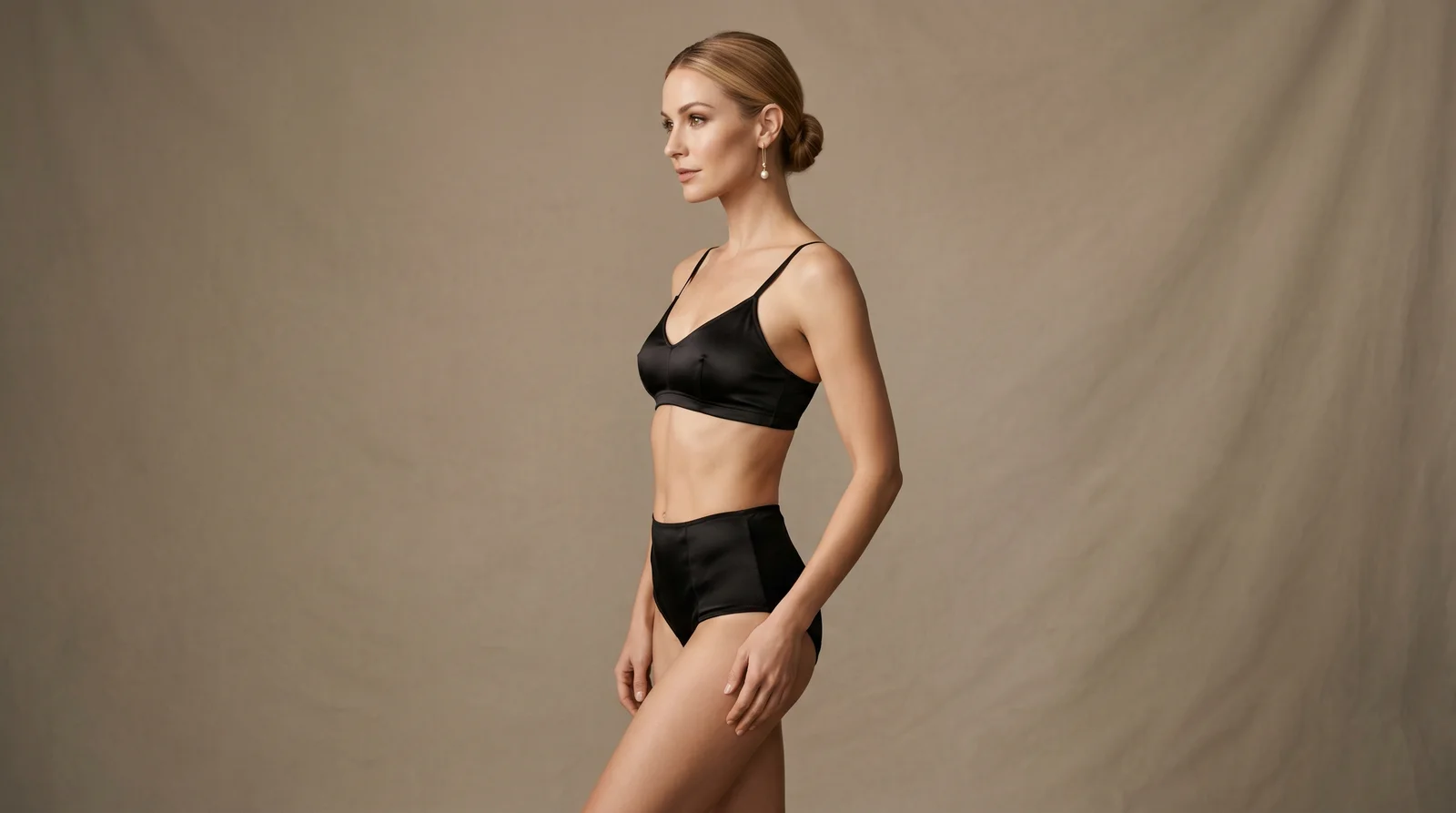
Accredited by CPSO and Accreditation Canada, with full emergency equipment on site and all general anesthesia cases supported by Canadian board-certified FRCPC physician anesthesiologists. The facility is half a block from Greater Niagara General Hospital.
Dr. Huq personally leads every surgery. He is the operating surgeon on every case; assistant surgeons on his team support him in the operating room. and personally calls every patient afterward to check on recovery.
Week One Is the
Most Restricted. It Gets Easier Quickly.
Week 1 — The most restricted period. Patients walk slightly bent at the waist for the first few days to reduce tension on the incision. Drains (if placed) are typically removed within the first week. Pain is managed with prescribed medication.
Weeks 2–3 — Gradually standing straighter. Bruising fades. Light activities resume. Many patients return to desk work.
Weeks 4–6 — Swelling continues to resolve. Physical activity is gradually reintroduced with Dr. Huq’s clearance.
Months 3–6 — The final contour becomes apparent. The incision scar matures over 12 to 18 months, fading to a thin line hidden within the bikini line.
$14,000–$20,000 — Everything Included.
Your quote covers the surgeon’s fee, accredited facility fee, anesthesia, and all follow-up appointments. $500 deposit secures your surgery date. Compression garments are typically covered by private insurance.
Thoughtful Care,
From First Call to Final Follow-Up.
From the first consultation to the last follow-up, I felt seen and cared for. Dr. Huq’s honesty is what sold me — he talked me out of two things I thought I wanted, and I’m so grateful he did.
My wife had her procedure here and the attention to her comfort and recovery was outstanding. The facility is spotless and every staff member treated her like family.
Years of post-pregnancy changes addressed in one carefully planned plan. The results are natural and my recovery was managed beautifully.
Which tummy tuck is right for me?
The right variation depends on your anatomy: the degree of skin excess, whether your abdominal muscles are separated, whether excess skin extends around to the flanks, and whether you have significant vertical as well as horizontal skin excess. Dr. Huq will assess your abdomen during the consultation and recommend the most appropriate approach — often a mini tummy tuck is sufficient, often a full abdominoplasty is warranted, and occasionally the Fleur-de-Lis technique is the best fit after massive weight loss.
Can a tummy tuck be performed under local anesthesia?
For appropriate candidates, yes. Dr. Huq published a 2024 scoping review at the Canadian Society of Plastic Surgeons on the safety of abdominoplasty without general anesthesia. Local anesthesia with sedation reduces systemic risks, shortens recovery, and lowers the overall procedure cost — but not every patient is a candidate. Dr. Huq will determine the appropriate anesthesia approach during your consultation.
When should I plan a tummy tuck relative to pregnancy?
If you are planning future pregnancies, Dr. Huq will recommend waiting until after your last pregnancy. Future pregnancy can stretch the repaired muscles and skin, which may undo some of the surgical improvement.
Do I need liposuction as well?
Often, yes. A tummy tuck removes skin and repairs muscle; liposuction removes fat. When both concerns are present — which is common — the two procedures are performed together in a single session. This combination is also a core element of the mommy makeover.
What about after massive weight loss?
Patients who have undergone significant weight loss — through bariatric surgery or lifestyle changes — often have extensive excess skin that a standard tummy tuck alone may not fully address. For these patients, Dr. Huq offers post-bariatric body contouring, which may include an extended tummy tuck, Fleur-de-Lis abdominoplasty, or a full body lift as part of a staged approach.
When will I see my final result?
The majority of swelling resolves within the first month. The final contour typically becomes apparent between three and six months post-op. The incision scar matures over 12 to 18 months, fading to a thin line hidden within the bikini line.
The Finishing Step
for the Work You've Already Done.
Meet with Dr. Huq to determine which tummy tuck variation is right for your anatomy, goals, and lifestyle. He will assess your abdominal skin, muscle integrity, and fat distribution, and recommend the most effective approach — with or without liposuction, with or without local anesthesia.